Why Communication Breaks Down in Relationships
Communication difficulties are one of the most common challenges people experience in relationships.
Many couples believe they are arguing about a specific issue — finances, responsibilities, or everyday frustrations. However, in many cases the deeper difficulty lies in the communication patterns that develop over time.
When these patterns repeat, conversations can become tense, defensive, or emotionally draining. Understanding these patterns can help couples and individuals approach communication with greater awareness and empathy.
When Conversations Become Repeated Arguments
Many couples describe feeling stuck in the same argument again and again.
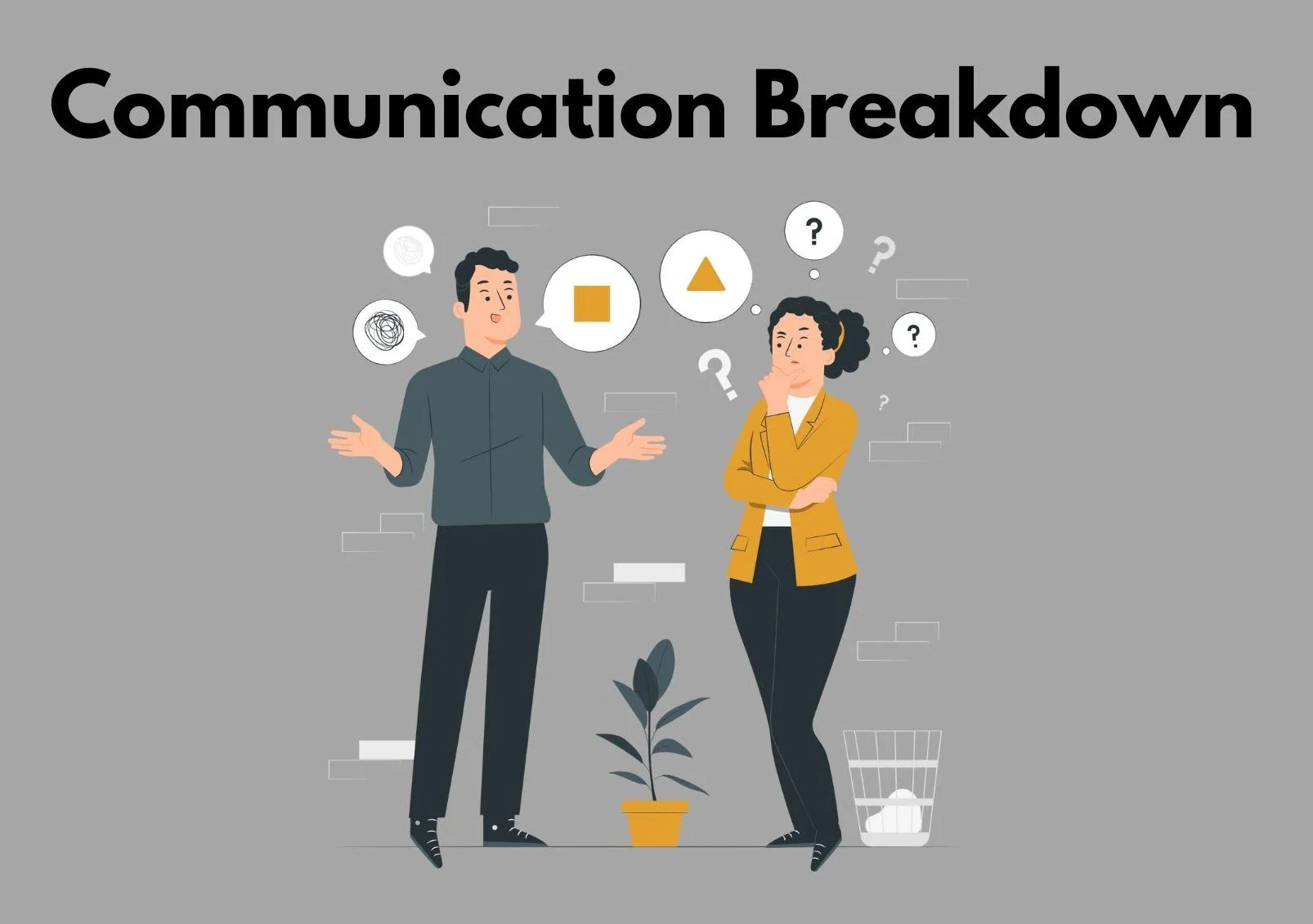
Often, one partner may want to talk through the issue immediately, seeking reassurance or clarity, while the other partner may feel overwhelmed and withdraw from the conversation.
Over time this can create a cycle where one person pushes for discussion while the other pulls away. Both people may feel unheard or misunderstood, even when they are trying to communicate.
Research exploring what is known as the demand–withdraw communication pattern, including work by psychologists Andrew Christensen and Christopher Heavey, suggests that this dynamic can increase relationship distress when it becomes a repeated pattern.
When Communication Becomes Defensive
Another difficulty that can arise in relationships is defensive communication.
When conversations feel tense or emotionally charged, people may begin protecting themselves from perceived criticism. This can lead to interruptions, repeated arguments, or quickly reacting in order to defend a position.
Research by relationship psychologist John Gottman has highlighted how certain communication behaviours can strongly influence relationship satisfaction. Patterns such as criticism, defensiveness, contempt, and withdrawal can make constructive communication more difficult over time.
When communication becomes defensive, both partners may struggle to feel heard or understood.
The Importance of Feeling Heard
Sometimes the issue being discussed is not the deeper concern within the relationship.
Often, the underlying need in communication is the desire to feel heard, understood, and emotionally acknowledged.
Research exploring relationship wellbeing, including work by psychologist Harry T. Reis, suggests that feeling understood by a partner plays an important role in relationship satisfaction and emotional security.
When these deeper emotional needs remain unspoken, conversations can remain focused on surface-level issues while the real concerns stay unresolved.
Moving Towards Healthier Communication
Healthy relationships are not defined by the absence of disagreement. Conflict is a natural part of human relationships.
What often matters more is how people communicate during those moments of disagreement.
Recognising communication patterns can be an important first step in improving relationships. When conversations slow down and both people begin to listen with greater curiosity and empathy, communication can become calmer and more constructive.
Small changes in how we listen and respond to one another can create meaningful shifts in how relationships are experienced.
Relationship Support at Inside Aromacee
At Inside Aromacee, therapy offers a supportive space to explore communication patterns, emotional needs, and the challenges that can arise within relationships.
Whether you are seeking support as a couple or individually, therapy can help you gain insight into relationship dynamics and develop healthier ways of communicating and connecting.
You may also wish to read my other blogs…”
Long-Term Effects of Infidelity
Understanding Relationship Anxiety
If you would like to learn more about therapy or explore support, you are welcome to visit the therapy services page or get in touch. You can also follow on Instagram @aromaceee
Many relationship difficulties begin with communication patterns — but understanding these patterns can also be the first step toward creating healthier and more supportive relationships.