Infidelity Is About More Than the Affair
Affairs are often viewed only through the lens of blame or betrayal, but the emotional aftermath is usually far more complex.
For the partner who has been hurt, there may be:
anxiety,
hypervigilance,
overthinking,
intrusive thoughts,
emotional withdrawal,
anger,
or an intense need for reassurance.
For the partner who has broken trust, there may be:

guilt,
shame,
defensiveness,
confusion,
regret,
or difficulty understanding the depth of the emotional impact.
Even small triggers can suddenly feel enormous:
a delayed reply,
a change in tone,
phone secrecy,
emotional distance,
or uncertainty around honesty.
This is because betrayal can disrupt the sense of emotional safety that relationships rely on.
Why Trust Feels So Difficult to Rebuild
After infidelity, many couples enter a painful cycle.
One partner may seek reassurance, answers, or closeness in order to feel safe again.
The other partner may feel overwhelmed, defensive, ashamed, or emotionally shut down.
Over time, this can create:
repeated arguments,
checking behaviours,
emotional distance,
withdrawal,
or communication breakdown.
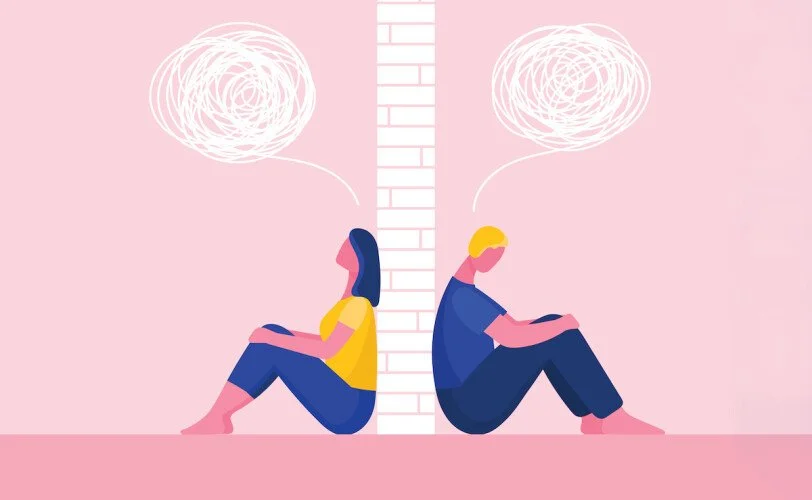
After infidelity, many couples enter a painful cycle.
In many cases, the relationship becomes trapped between:
👉 fear of losing each other
and
👉 fear of being hurt again.
Can Relationships Recover After Infidelity?
For some couples, the relationship ends.
For others, the affair becomes a turning point that highlights deeper issues within the relationship — communication difficulties, emotional disconnection, unresolved resentment, unmet needs, or unhealthy patterns that had already developed long before the betrayal.
Repair is not about pretending the hurt never happened.
It is about:
honesty,
accountability,
emotional openness,
rebuilding safety,
and learning how to communicate differently moving forward.
Rebuilding trust takes time. It often requires patience, consistency, difficult conversations, and willingness from both people to understand what has happened beneath the surface.
What Helps During Relationship Repair?
Healing after infidelity is rarely achieved through reassurance alone.
Couples often benefit from:
structured communication,
emotional awareness,
understanding relationship patterns,
rebuilding boundaries,
and learning how to respond differently during conflict and uncertainty.
Relationship therapy can provide a supportive space to:
process emotions safely,
understand the relationship dynamic,
rebuild communication,
and decide together what happens next.
A Final Thought
Infidelity can leave couples feeling lost, emotionally exhausted, and uncertain about the future.
But beneath the pain, many couples are also trying to answer a deeper question:
“Is it possible for us to feel emotionally safe together again?”
For some, the answer is no.
For others, healing begins not by returning to how things were before — but by building something more honest, aware, and emotionally connected moving forward.
Inside Aromacee offers online couples counselling and CBT-informed relationship support for couples experiencing communication difficulties, trust issues, relationship anxiety, emotional distance, and life transitions.
👉 Explore more blogs, relationship support, and resources at Inside Aromacee.